


¿Podemos aprender a detectar la desinformación?
¿Cómo influyen las emociones, nuestras creencias preexistentes, la falta de contexto y las señales sociales en nuestra forma de evaluar la información en línea? En esta actividad, exploraremos cómo la investigación psicológica puede ayudarnos a detectar mejor el contenido inexacto o engañoso en las redes sociales. Participaremos en actividades interactivas basadas en juegos, diseñadas para adolescentes, y descubriremos cómo estrategias sencillas pueden ayudarnos a detenernos, reflexionar y verificar la información antes de creerla o compartirla.
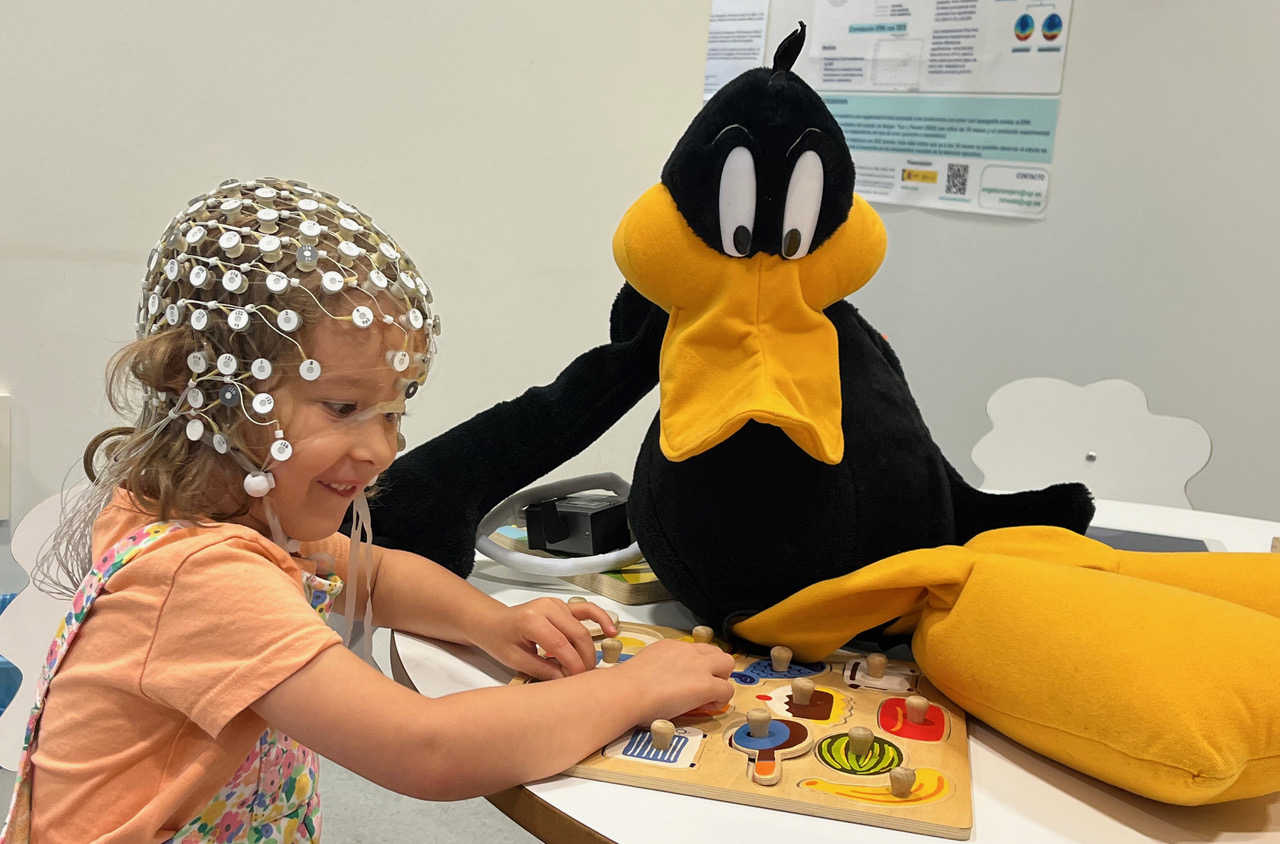
The Developing Brain
What is in the minds of babies? How can we study the development of processes and their relationship to the brain from the first months of life? In this lab, you will learn how we approach the study of the development of cognitive processes such as attention, memory, reasoning, etc. in infants and young children. We also study the development of cognition in relation to brain maturation.
Location: Laboratory 24 of the CIMCYC
Coordination: Charo Rueda

The science of social issues: exploring gender inequality and feminism
Have you ever wondered what science says about current issues? What are the psychological and social effects or consequences of gender inequality? What are the psychosocial implications of identifying as a feminist? In this activity, we will discuss different gender inequalities from a scientific perspective. We will address factors that influence their maintenance and the areas of everyday life in which they occur. We will also look at some of the physical, psychological and social effects that gender inequality can have and how feminism raises awareness and mobilizes in favor of more egalitarian societies.
Location: Laboratory 15 (Social Psychology), Seminars 4 and 5 of the CIMCYC.
Coordination: Sabina de León and Sofía Schwartz
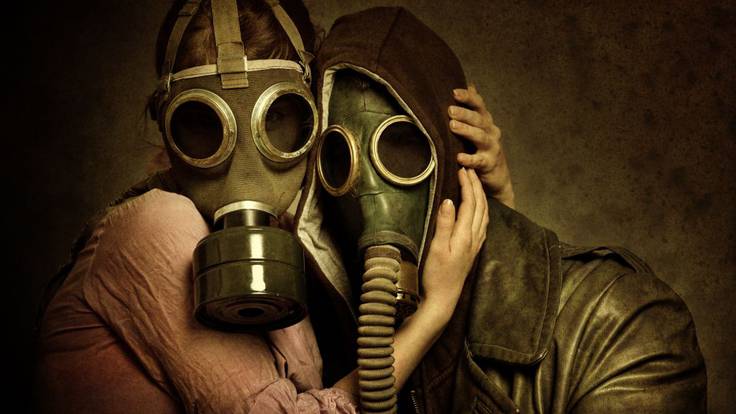
"A bad romance": is there such a thing as a toxic relationship?
What do we understand by a toxic relationship in a couple, and by gender violence? What elements are essential for a healthy relationship? We have probably heard phrases such as "He behaves like that because he loves me" or "When we are good, we are very good", and we have even assumed them as fundamental elements of love. The aim of this activity is to delve into the ideas and widespread beliefs about relationships, as well as the romantic myths and harmful dynamics that are usually normalized within the context of a relationship. In order to delve deeper into this, we will carry out a series of dynamics that will allow us to detect, make visible and act on violence in relationships.
Location: Laboratory 15 (Social Psychology), Seminars 4 and 5 of the CIMCYC.
Coordination: Marta Badenes, Mariela Bustos Ortega and Rocío Vizcaíno-Cuenca
Science, psychology and professional future
In this talk, we will discuss how humanity has tried to understand the world, from religion to science, highlighting the importance of critical thinking in our daily lives. We will also talk about psychology as a science, debunk some myths about it and finish with some practical advice when it comes to studying a university degree.
Location: CIMCYC conference room.
Coordination: Outreach Committee
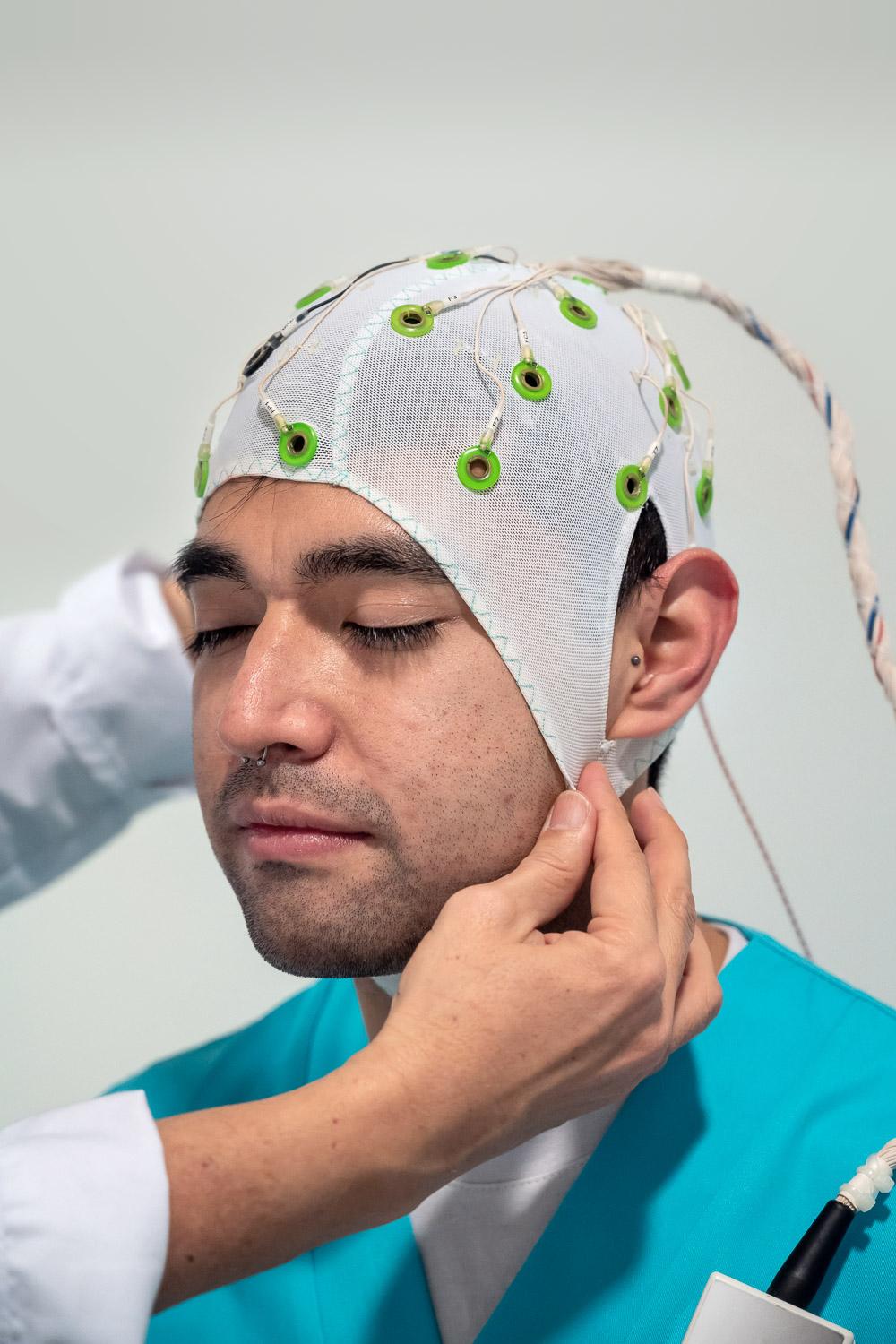
From behaviour to brain
Summary: In this activity we will show how in psychology research we not only study the responses that occur at the behavioural level in computer tasks that are commonly used in the laboratory, but we can also capture the processing that occurs in these tasks at the brain level using the recording of neuronal activity with electroencephalography. On the other hand, we explain how this neural activity can be modulated with brain stimulation techniques, in this case transcranial direct current stimulation (tDCS). In both cases we teach the type of equipment used, how it works, as well as its advantages and disadvantages.
Location: Laboratory 02 of CIMCYC
Coordination: Juan Lupiáñez
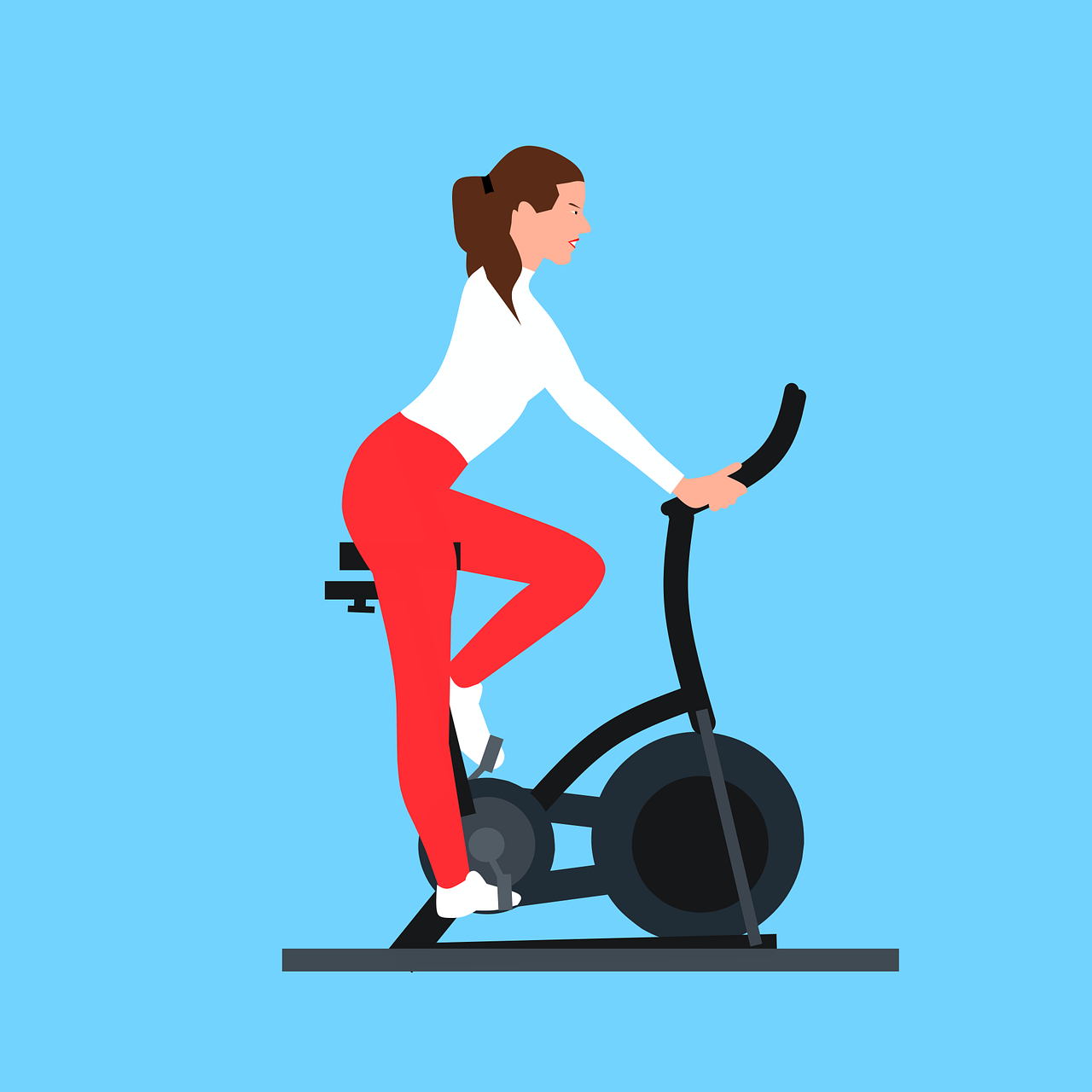
What happens in our brain when we exercise?
Summary: In this activity, we will talk about how we process the information that comes to us from the outside, but also from the inside (physical sensations) during a session of high-intensity physical exercise. We will perform a mental task while pedalling a stationary bike at different intensities. We will discuss how this can influence our ability to perceive and process different stimuli and how this kind of research translates into our daily lives (e.g. state of excitement before final exams, sustained attention in a monotonous job, etc.).
Location: Laboratory 09 of CIMCYC
Coordination: Daniel Sanabria, Luis Ciria, Chiara Avancini, Clara Alameda
Mind over Body: Psychoneuroimmunology
In this activity, we will explore what stress is through interactive dynamics, why it occurs and how it manifests in daily life. The same situation can generate different thoughts, emotions and behaviors. We will analyze how these processes are interrelated and how modifying the way we interpret or cope with situations can help us regulate emotions and reduce stress using psychological tools. Finally, we will connect these processes with health by explaining, in an accessible way, what psychoneuroimmunology studies and how the mind, brain, hormones and immune system interact.
Location: Conference Room
Coordination: Dr. Isabel Peralta, Miguel Baos, Javier de Echarri y Rocío Rodríguez Valdés.
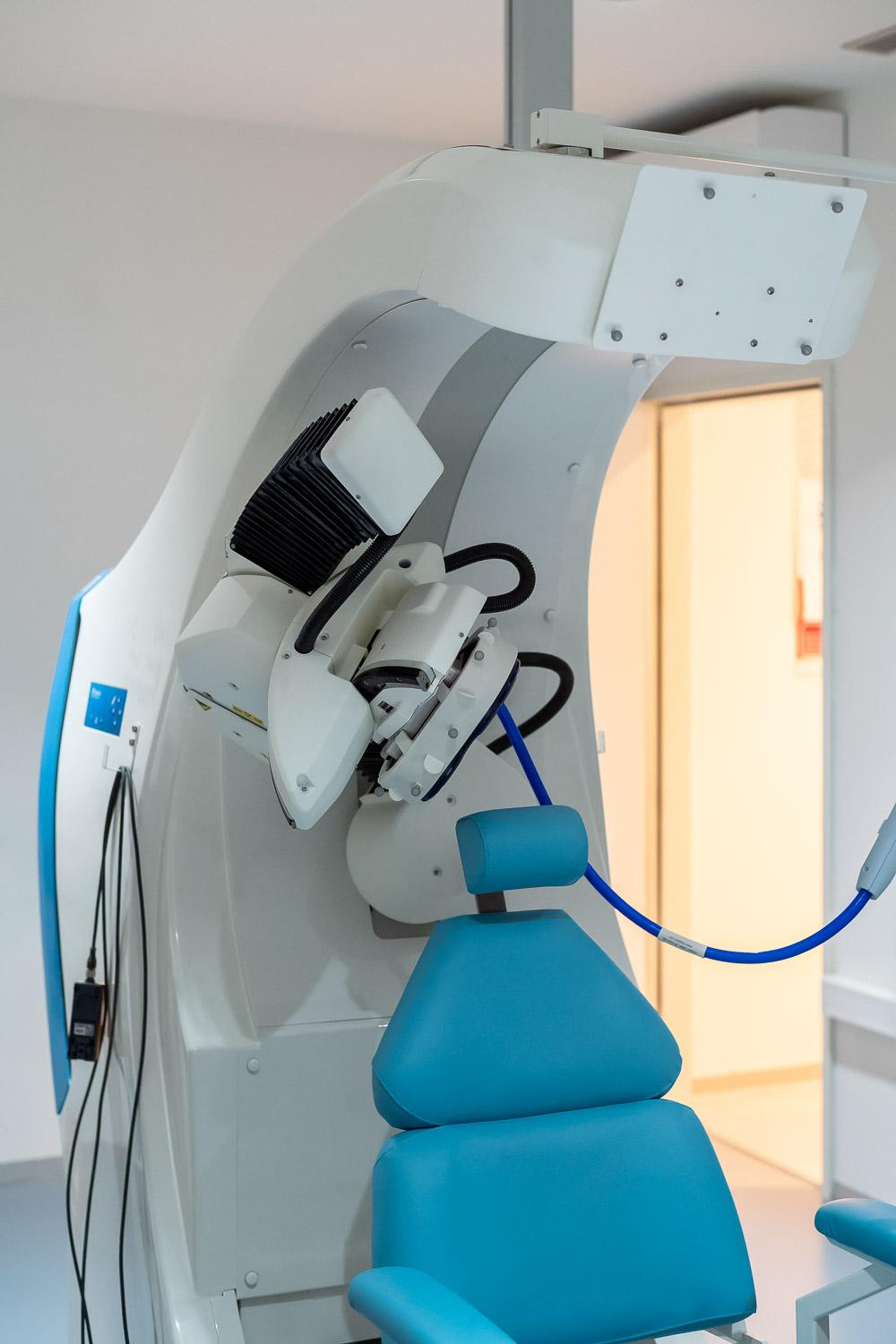
Transcranial Magnetic Stimulation and Neuroimaging
This activity will give an overview of the use of neuroimaging (fMRI) and transcranial magnetic stimulation (TMS) as tools to help determine and explain functions and processes within Cognitive Psychology. In addition, a practical example of the effect of TMS is presented.
Location: CIMCYC Laboratory 22.
Coordination: Ana B. Chica, Elisa Martín-Arévalo, María García de Viedma, Francisco Pérez Comino, Andrea Bernat y Joaquín Ramírez
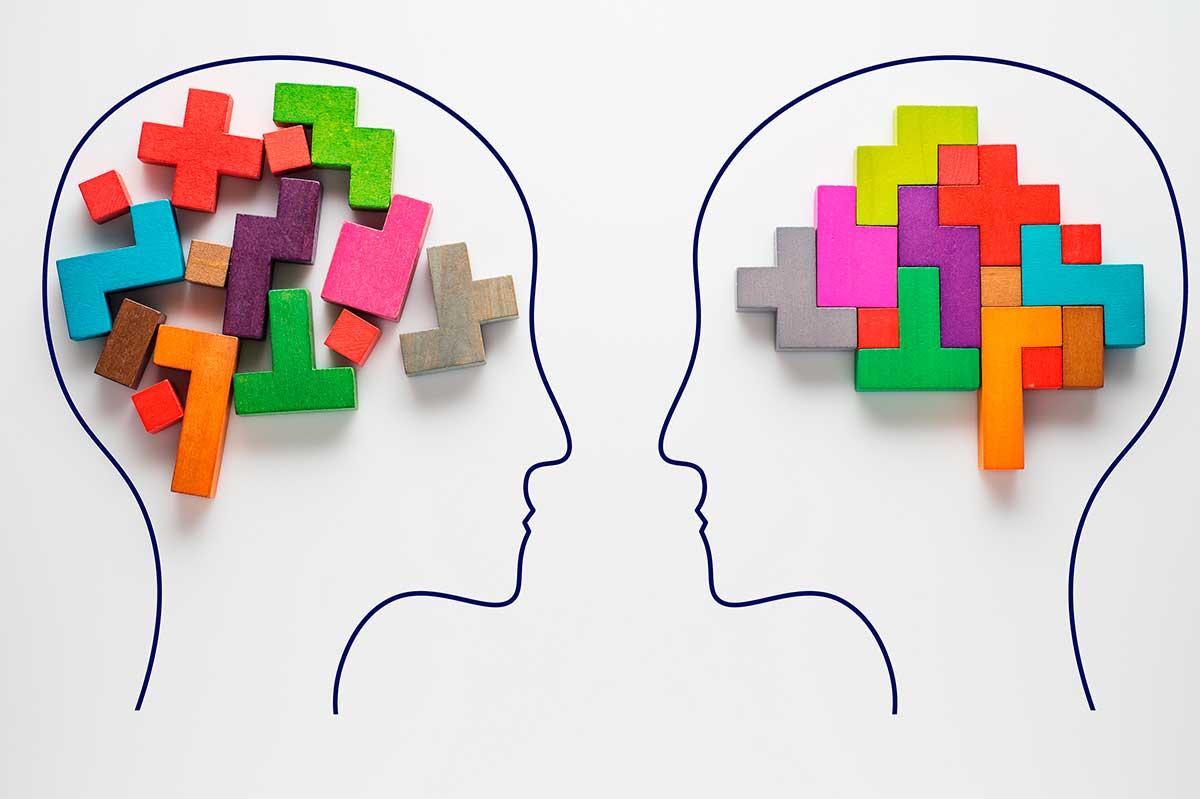
How do stimuli or situations that are, in principle, neutral acquire emotional value?
In this activity, we will learn how we are able to distinguish stimuli or situations that are potentially dangerous from those that represent safety signals through direct experience. We will perform a classical aversive conditioning task while recording various psychophysiological measures pertaining to the peripheral nervous system (skin electrical conductance, motor startle reflex, heart rate and electromyographic activity of the corrugator muscle). In addition to explaining the brain mechanisms that underpin this type of learning and the importance it has for survival, other ways of acquiring conditioned responses such as learning by observation or learning through instructions will be discussed.
Location: Laboratory 05.
Coordination: Pedro Guerra.
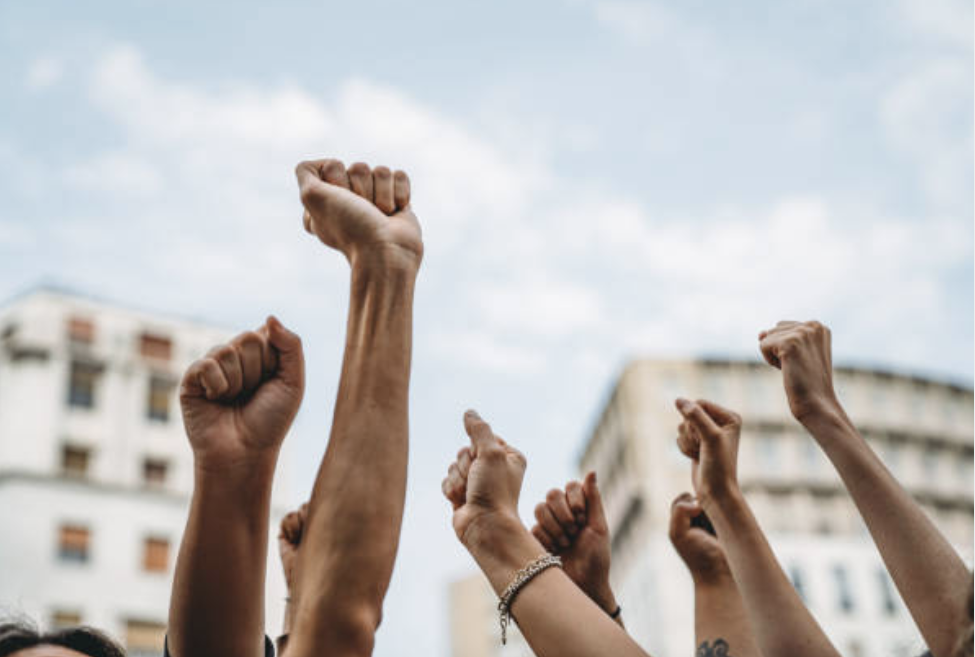
Strength in numbers: inter-group alliances for social change
There are many inequalities and social problems that cause competition between different groups. Through this activity we will learn about different strategies proposed in the field of social psychology to achieve positive social change in society, promoting collaboration instead of competition. Specifically, we will talk about alliances that occur between different groups and how these lead to collective actions (voting in elections, participating in demonstrations...) that seek to promote a more egalitarian society.
Location: Laboratory 15 (Social Psychology), Seminars 4 and 5 of the CIMCYC.
Coordination: Sofía Schwartz and Danna Galván

Constructing our memories
Throughout our lives we integrate the experiences we have (words, images, sounds, sensations, etc.) with what we know about the world and our past experiences to construct memories. From these experiences our various memories are generated, which are very effective, but also complex. Thus, sometimes the process of memory construction can go wrong and lead to the emergence of false memories. This activity will allow participants to understand the construction of memories from an interactive, first-person perspective. In addition, it will make it possible to learn about the mechanisms at the basis of human memory, such as the processes of consolidation and retrieval, through an approach to experimental research in the field of cognitive neuroscience.
Location: Laboratory 12 of the CIMCYC (Memory and Language Laboratory).
Coordination: Cristina López-Rojas, Mª Jesús Maraver and Nuria Aguerre
Two Sexes... Two Brains?: What Does Neuroscience Tell Us
Throughout history, arguments based on biological differences have been used to explain the disparities between men and women, as well as to justify discrimination and gender stereotypes. Along these lines, research from the field of neuroscience has been employed to promote the idea that there are two mutually exclusive types of brains—one "male" and one "female"—that justify differences in behavior, cognitive abilities and, consequently, social inequality between men and women. However, this research overlooks the influence of psychosocial variables and brain plasticity processes, both of which are essential to understanding the complex relationship between environment, brain and behavior. In this workshop, we will reflect together on the interpretation of these scientific studies without losing sight of the goal of achieving social equality. To facilitate this process, we will work on basic concepts of the scientific method, neuroscience research, the human brain and its capacity for change and adaptation.
Coordination: Ana F. Palenciano y Mar Martín Signes.
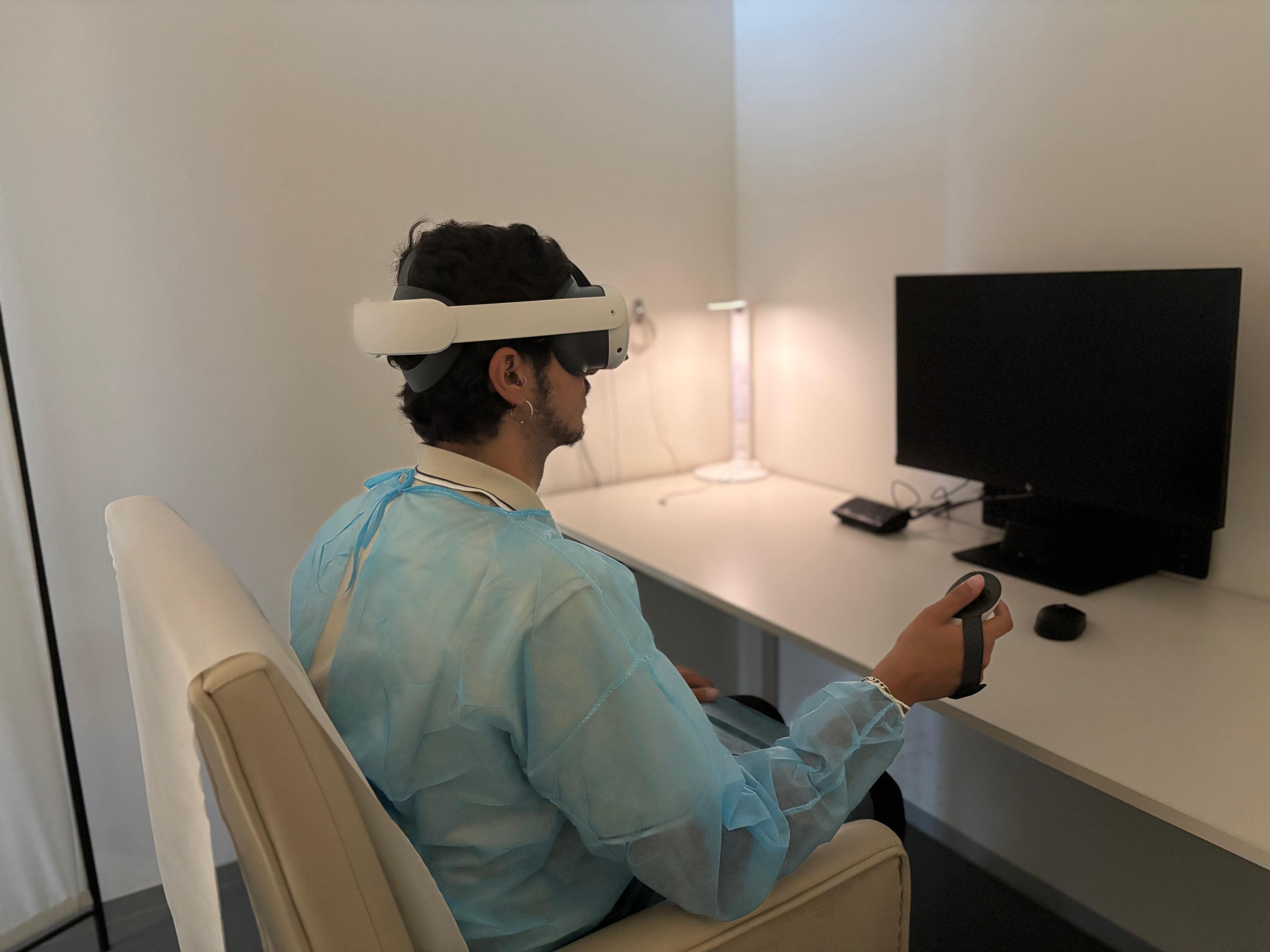
What and how is research done in a human sexuality laboratory?
In this activity, we will learn the importance of research in human sexuality in order to identify the keys that make healthy sexuality possible. First, we will describe the different types of research in the study of sexual health indicators (sexual attitudes, sexual functioning, healthy sexual behaviours, etc.). The workshop will then focus on the assessment, in a laboratory context, of sexual attitudes from an implicit vs. an explicit approach, as well as on the assessment of sexual response (equipment for the acquisition and processing of psychophysiological data using plethysmography and photoplethysmography). Real examples of psychophysiological recordings of sexual response and peripheral measures such as heart rate, skin electrical conductance or temperature will also be shown. Finally, the applicability of the results obtained in a human sexuality laboratory to sexual health promotion and sex therapy programmes will be discussed.
Location: Laboratory 17 (Human Sexuality Laboratory)
Coordination: Juan Carlos Sierra Freire

How do several languages coexist in the brain?
Summary: In this activity, we will find out what it means to be bilingual and what importance it has on a cerebral level. In the laboratory, we will see what tools are used to understand the relationship between several languages in a single brain from a neuroscientific point of view. During this activity we aim to show the rigorousness of the scientific method and the importance of applying it in the field of bilingualism. In addition, we will also highlight the importance of knowing minority languages. With this activity we aim to generate knowledge that will allow us to debunk the myths associated with bilingualism, as well as to encourage interest in language learning.
Location: CIMCYC Laboratory 12 (Memory and Language Laboratory).
Coordinators: Alba Casado, Cristina López-Rojas, Marta Reyes, and Marta Rivera
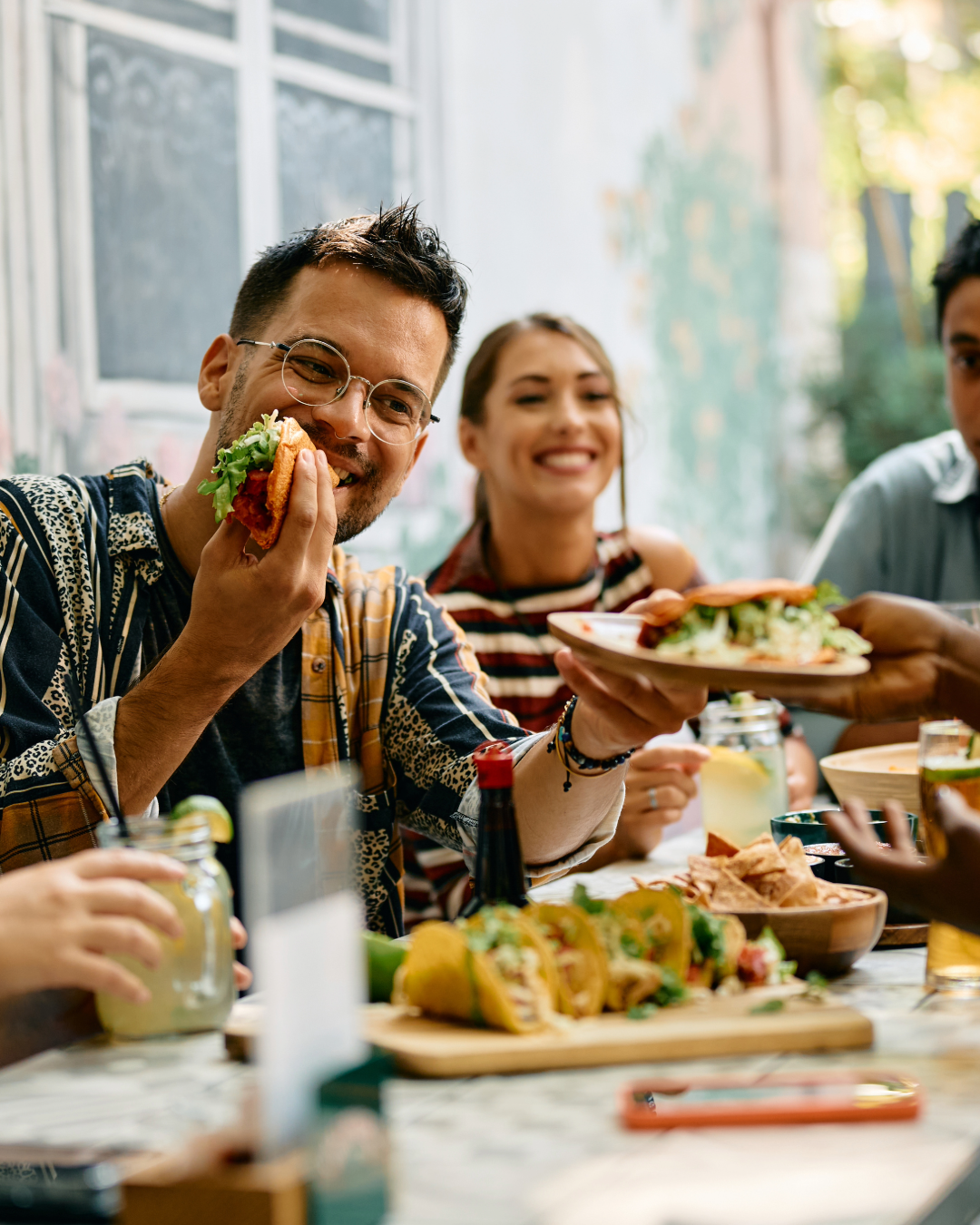
Why do we eat what we eat?
Our societies are characterized by highly sedentary lifestyles and constant exposure to food-related cues (such as advertisements and smells) alongside massive exposure to a wide variety of highly appetizing, accessible, cheap food that is rich in sugar and fat. This condition is known as an “obesogenic environment.” Given this situation, it is necessary to understand how the characteristics of this environment affect the different mechanisms regulating our eating behavior. In this talk and workshop, we will discuss what these intake regulation mechanisms are and how they are affected by these environmental features, resulting in overconsumption. Research in this field can provide us with the tools to propose novel treatments aimed at reducing overconsumption, overweight and obesity.
Location: Conference or Seminar Room
Coordination: Dr. Isabel de Brugada, Dr. Ana González, Dr. Irene Ruiz and Dr. Marta Gil

What would happen if you suffered weekly blows to the head for more than ten years? Gender violence.
Can you imagine suffering weekly blows to the head for more than ten years, and that the perpetrator of this violence is your partner? Do you know that brain injuries in female survivors of gender violence are more prevalent than in military personnel and athletes combined?
Specifically, 80% of women who survive intimate partner abuse have suffered at least one head injury, many of them "too many to count". In addition, 97% experienced attempts to strangle them. These blows, together with fear, insults and stress sustained over time, can have important cognitive, emotional and cerebral consequences for the victims. These consequences can make it difficult for them to decide whether to leave their partner or return to their normal daily life. In this session, we will talk about the research that neuropsychology is doing with women survivors of gender violence.
Location: CIMCYC conference room.
Coordinators: Natalia Hidalgo Ruzzante, Juan Verdejo Román and Miguel Pérez García.
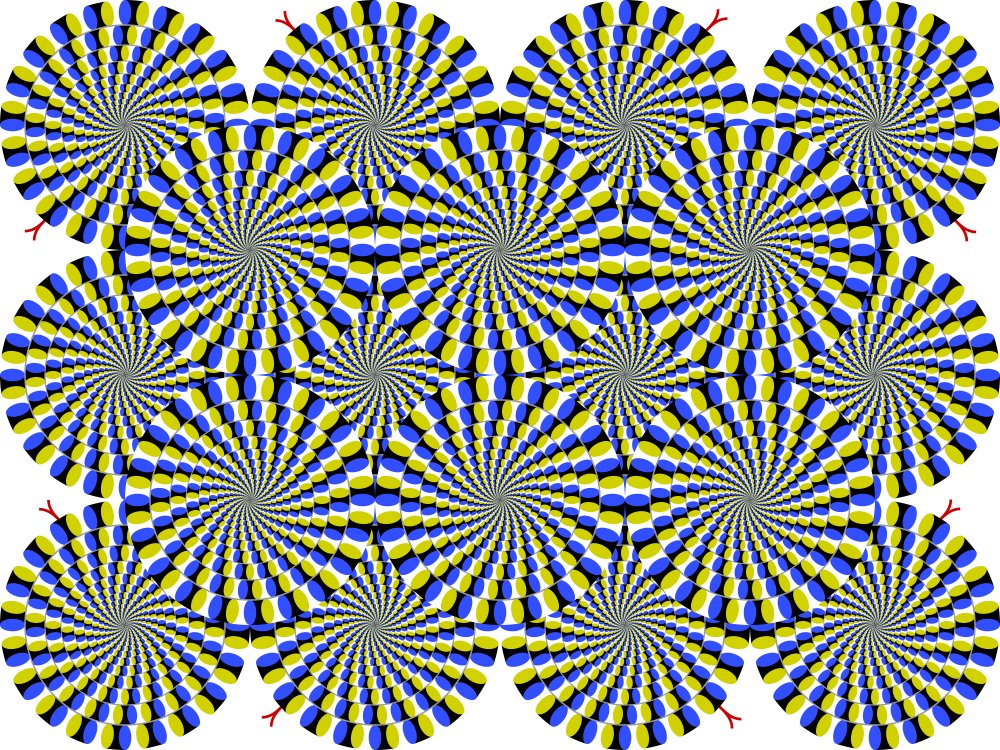
A journey of mental illusions
Summary: In order for us to perceive the world around us, our brain must continuously elaborate and reconstruct the information captured by the senses. Although this sophisticated mechanism is very efficient, it can sometimes fail, generating perceptual illusions: phenomena in which information from the environment is misinterpreted. In this workshop you will experience illusions through different senses. Together we will try to understand how and why these failures in perception occur.
Coordination: Ana F. Palenciano, Carlos González, Chema G. Peñalver, Blanca Aguado
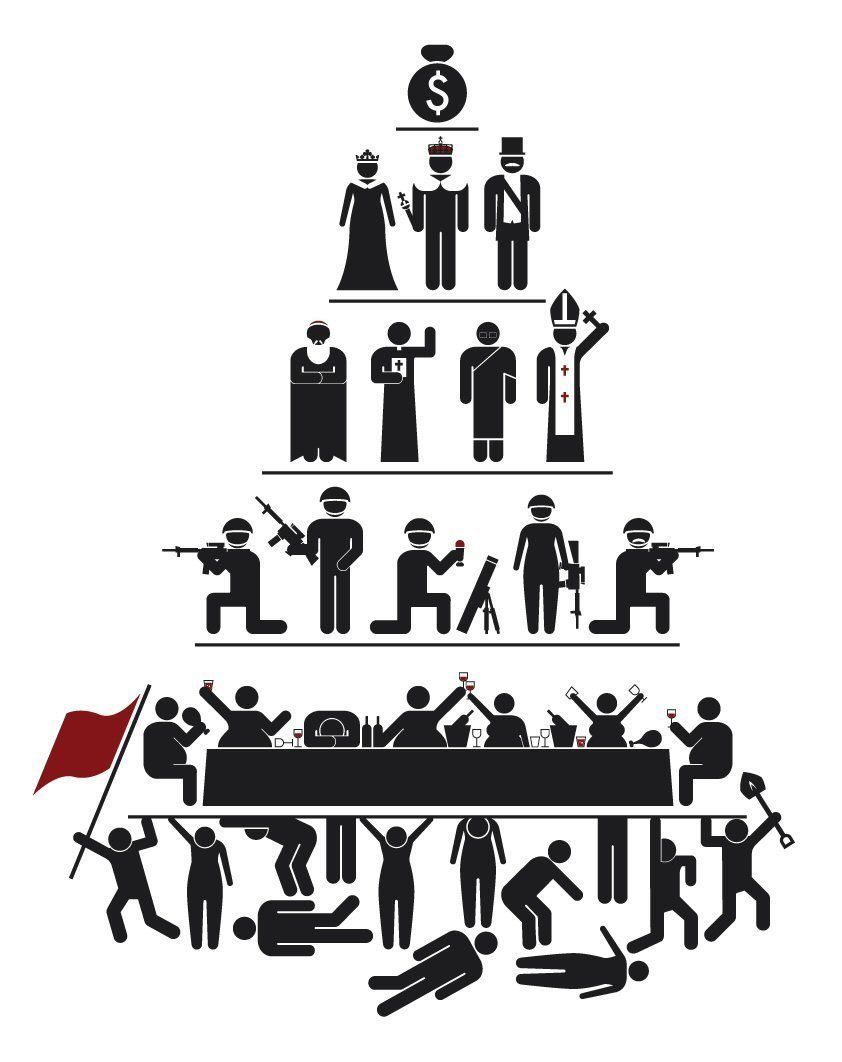
The unequal race of life
This activity will show with an experiential dynamic and some data from recent research in social psychology the impact that economic inequality and social class has on people’s lives, on their psychology, and especially on the relationships we establish with others.
Location: Laboratory 15 (Social Psychology), Seminars 4 and 5 of the CIMCYC.
Coordination: Efraín García Sánchez and Francisco Soler
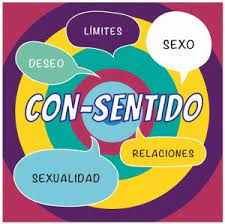
Sexual violence and the media: where does that leave sexual consent?
What is sexual aggression and what is not? Do we consent to all the sexual relations we have? How does the media influence it? In this activity, we will work on the concept of sexual violence and its different forms of expression both within and outside the couple. In addition, we will reflect on consent in sexual relations and the influence of the media with active dynamics.
Location: Laboratory 15 (Social Psychology), Seminars 4 and 5 of the CIMCYC.
Coordination: Alba Sáez-Lumbreras and Rocío Vizcaíno-Cuenca

Suffering to succeed: Understanding the psychological functioning of athletes
Have you ever wondered what purpose suffering serves in athletic effort? What psychological and social relationship mechanisms are involved in the drive to improve? High-demand sports represent one of the most visible expressions of the deep connection between the body (e.g., pain, strength, endurance) and psychological construction when we push ourselves to the limit (e.g., overcoming obstacles, emotional adjustment, the idealization of success and failure, drawing closer to or distancing ourselves from others).
In this arena, psychologically strong athletes are celebrated as symbols of merit, resilience, invulnerability and excellence. However, behind the spectacle, effort and glory lies a silenced experience: daily, cumulative and often lonely suffering. From the perspectives of Anthropology and Sport Psychology, this suffering can be interpreted not only as a response to physical exertion, but as a form of positively or negatively embodied experience—psychologically interpreted, socially mediated and culturally valued.
In this activity, we will learn to study the life stories, personalities and contexts surrounding different types of athletes. This allows us to break away from a somewhat idealized vision of them as "competing machines," rehumanizing their experience through a deep psychological understanding. Ultimately, this helps explain why and for what purpose sacrifice serves as a core value for the athlete's self-esteem, health and mental strength.
Location: Laboratory 25 (Sport, Health, and Performance Psychology Lab) and seminar rooms
Coordination: Juan González Hernández

Inequality plays hide-and-seek
This activity features an interactive workshop where we will reflect through questions on the reality of various inequalities, such as economic, health, housing access and gender inequalities. In a friendly and engaging format inspired by the popular game "hot potato," we will organize into small teams to find the answers. Based on each group's input and counterarguments, we will discuss perceptions, data and research developed within the field of Social Psychology. The main goal of this activity is to raise awareness about the different forms of inequality that intersect our lives—often without us even realizing it—and how they affect us as individuals and as a society.
Location: Laboratory 15 (Social Psychology), Seminar Rooms 4 and 5 at CIMCYC
Coordination: Carlos García Díaz and Rosa Rodríguez Bailón

Literacy, attention and executive functions: The dinoworld of Atenxia
Literacy, attention and executive functions are essential skills for academic development. What if we could train them through a video game? Gamification is a highly powerful tool for learning; combining it with scientific evidence can provide numerous benefits for students, especially those with learning difficulties in literacy and/or ADHD. The Dinoworld of Atenxia is a psychoeducational platform that includes evidence-based activities to reinforce these skills in children between 3rd and 6th grade. Help Chibi and their friends clear the challenges!
Location: Laboratory 14
Coordination: Dr. Francisca Serrano, Dr. Sara Mata, Dr. Macarena de los Santos, Dr. Isabel Monte-Tablada and Dr. María Carmona

Smart solutions for smart minds: Intelligence and high intellectual capacities
What is intelligence? How is it measured? How do we identify and work with students of High Intellectual Capacities? The project YourBreakthrough: Smart Solutions for Smart Minds, framed within Key Action 2 of the Erasmus+ program (Cooperation among organizations and institutions – Partnerships for Cooperation), addresses these questions through 5 digital tools. In this workshop, you will step into the shoes of a professional to design your own digital proposal to foster knowledge, action and awareness.
Location: Laboratory 14
Coordination: Dr. Francisca Serrano, Dr. Sara Mata, Dr. Macarena de los Santos, Dr. Isabel Monte-Tablada and Dr. María Carmona

Binge drinking brought to the Lab through adolescent rats
In this workshop, we will explain—in simple terms and using real examples—how we bring "binge drinking" into the laboratory using adolescent rats to understand its effects. Drinking heavily in a short period can damage memory, inhibitory control and mental health, as well as accelerate oxidation processes, among many other effects.
These risks are amplified during sensitive stages such as adolescence and pregnancy, when healthy habits matter twice as much. Through videos and materials, we will look at the protocols we use to induce and measure binge drinking behaviors, and we will explain why animal models allow us to study causes and evaluate solutions. We will also present, in an accessible and engaging way, the preventive and treatment strategies we are testing in our research group, and we will demonstrate the basic way we process blood and brain tissue samples for analysis. The core idea is to understand what happens to our bodies when we consume alcohol, thereby helping people make more informed choices and highlighting possible strategies that lead to responsible consumption.
Location: Laboratory
Coordination: Carlos Lara
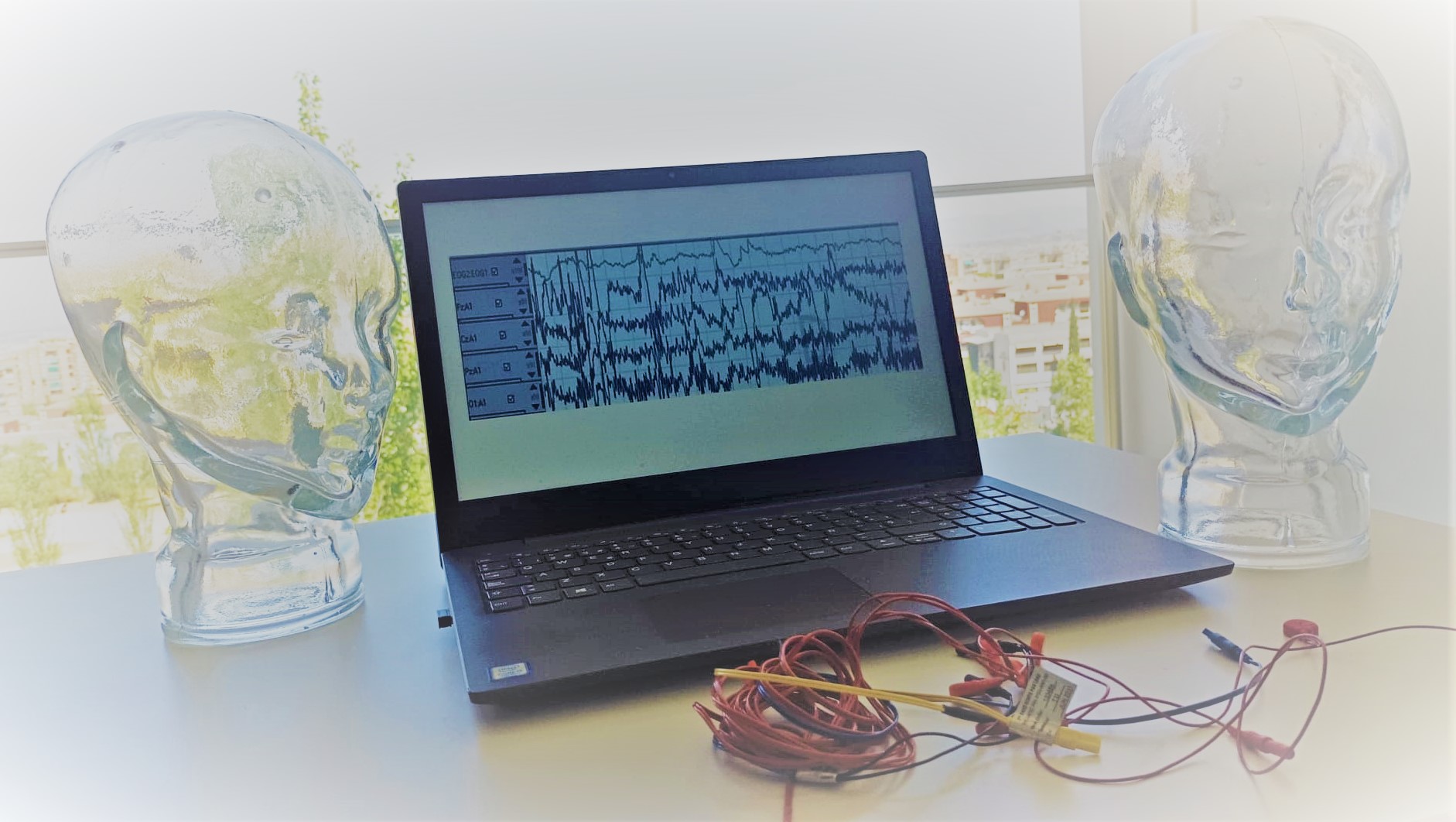
Sleep assessment: Can we analyse how we sleep?
In this activity, we will learn how sleep is assessed. First, we will briefly explain the brain mechanisms that support sleep and the importance of sleep for a healthy daily life. A polysomnography machine (an instrument used for sleep assessment) will be shown and a brief explanation of what it consists of and what it is used for will be given. Subsequently, real examples of sleep recordings or hypnograms will be shown (where, among other variables, the electrical activity of the skin, heart rate, breathing, electromyographic activity, electroencephalographic activity, etc. can be seen). Finally, the importance of each sleep phase and how it can interfere with people's daily lives will be discussed.
Location: Laboratory 3 (Sleep and Health Promotion Lab.)
Coordination: Raúl Quevedo Blasco